
Badrinath from Haridwar
3 Nights / 4 Days
- Night at Joshimath and at Badrinath
- Mana village visit
- Drop back at Haridwar
From, per person₹8,500
Details →A road journey up the Alaknanda to the shrine of Lord Badri Narayan, with darshan, a dip in the Tapt Kund and an afternoon at Mana, the last village before the Tibet border.

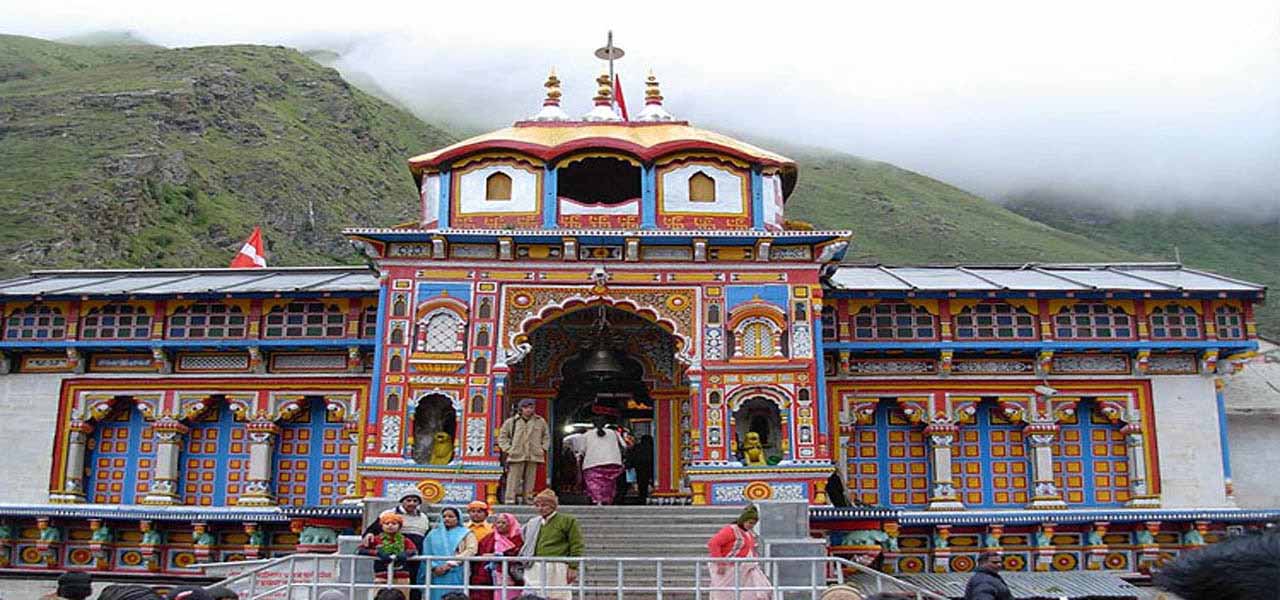
Badrinath is the northernmost of the four dhams and the one that asks the least of your knees. The temple of Lord Vishnu as Badri Narayan stands at 3,133 m in Chamoli district, on the right bank of the Alaknanda, between the Nar and Narayan ranges. A motorable highway runs all the way into town, so pilgrims who cannot walk long distances, including many elders, can complete this dham with only a short stroll from the parking area to the temple gate.
For many families Badrinath is the shrine they visit first, before attempting the full Char Dham Yatra. Others pair it with Kedarnath on a Do Dham Yatra. This page covers the single-shrine trip, also called an Ek Dham Yatra: what it costs, how the days run, where you sleep and how to book.
The fares below are per person on twin or triple sharing, assuming four travellers share one private vehicle. Couples pay a little more per head because the car cost is split two ways; larger families sharing an Innova Crysta or a Tempo Traveller usually pay a little less.
| Package | Duration | Budget | Deluxe | Luxury |
|---|---|---|---|---|
| Badrinath from Haridwar / Rishikesh | 3N / 4D | ₹8,500 | ₹12,000 | ₹18,500 |
| Badrinath from Delhi | 4N / 5D | ₹10,500 | ₹14,500 | ₹22,500 |
Estimated 2027 prices. Your final quote depends on travel dates, hotel category and group size. Puja, VIP darshan and lunch on Budget and Deluxe are extra.
This is the standard 3 nights / 4 days loop from Haridwar. If you start from Delhi, we add a first night in Haridwar and finish with a long drive from Srinagar Garhwal to Delhi on day 5.
An early start is essential, because this is the longest drive of the trip. The road follows the Ganga past Rishikesh, then the Alaknanda past Devprayag, Rudraprayag, Karnaprayag and Nandprayag, four of the five sacred confluences. Tea and lunch stops are taken at roadside dhabas. You reach Joshimath, now officially called Jyotirmath, in the evening and sleep at about 1,900 m, which helps the body adjust before the final climb.
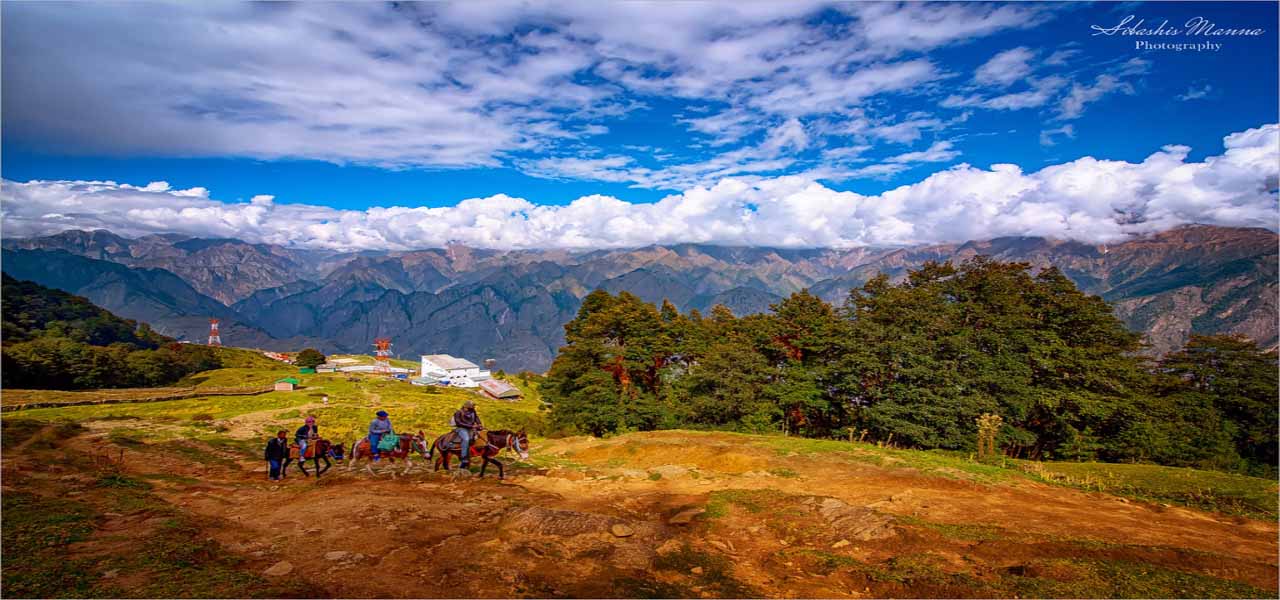
A short morning drive passes Vishnuprayag and Pandukeshwar, where the deity's winter seat lies, before the valley opens below Neelkanth peak. Check in, bathe in the hot spring of the Tapt Kund and join the darshan queue. In the afternoon drive 3 km to Mana to see Vyas Gufa, Ganesh Gufa and Bhim Pul, the stone slab over the roaring Saraswati. Return for the evening aarti at the temple.
Pilgrims who wish to can take an early second darshan, or offer pind daan for their ancestors at Brahma Kapal on the river bank. After breakfast the drive heads back down the Alaknanda. By late afternoon you reach Rudraprayag or Srinagar Garhwal, both much warmer and lower than Badrinath, for a restful night.
The final leg drops through Devprayag, where the Alaknanda meets the Bhagirathi to become the Ganga, and on to Rishikesh. You arrive in Haridwar by afternoon. Many guests stay on for the Ganga aarti at Har Ki Pauri before boarding an evening train or heading to Dehradun airport.
| Night stop | Altitude | What to expect |
|---|---|---|
| Joshimath (Jyotirmath) | About 1,900 m | Hill-town hotels, some with views towards Auli |
| Badrinath | 3,133 m | Rooms from about ₹2,000 to ₹8,000 a night, many within walking distance of the temple |
| Rudraprayag / Srinagar | Under 900 m | Comfortable hotels by the Alaknanda |
Rooms at Badrinath fill quickly in May and June. For room types and price bands, see our Badrinath hotel booking guide.
The Badrinath opening date for 2027 will be announced on Basant Panchami at the Narendranagar palace, and the closing date is fixed on Vijayadashami, usually for mid-November. The 2026 season is now in its final weeks, so most of our current planning is for 2027. Keep an eye on the opening dates page. The calmest months are late May, June and from mid-September through October; July and August bring monsoon landslides on the highway. More detail is on our best time to visit page.
Registration is free and mandatory for every pilgrim. Apply on registrationandtouristcare.uk.gov.in or the Tourist Care Uttarakhand app and carry the QR slip with a photo ID. Our registration guide walks through each step.
Badrinath sits close to some fine side trips. Hemkund Sahib and the Valley of Flowers start from Govindghat on the same highway, and the ski slopes of Auli are a short drive above Joshimath. Each adds one to three days.
Prefer email? Write to sales@goglobaltrip.com, or see all options on our contact page.
Three nights and four days from Haridwar or Rishikesh, or four nights and five days from Delhi. Add a day if you want a relaxed second darshan or a visit to Auli or Hemkund Sahib.
No. The highway reaches Badrinath town and the temple is a short walk from the parking area across the Alaknanda bridge. That makes it the easiest of the four dhams for elders.
Estimated from ₹8,500 per person from Haridwar and ₹10,500 from Delhi on budget hotels for a group of four. Deluxe starts near ₹12,000 and luxury near ₹18,500 from Haridwar.
The date is announced on Basant Panchami at Narendranagar, usually for late April or early May. We update the opening dates page as soon as it is declared.
Yes. Mana is just 3 km from the temple, and most guests visit it in the afternoon after morning darshan. Vasudhara falls is a further walk of about 5 km each way for those with extra time.
Yes, that is the Do Dham Yatra, usually 5 nights from Haridwar. The Kedarnath Badrinath tour package page lists the options.
Yes, as a private charter from Dehradun that returns the same day, estimated from ₹95,000 for the aircraft. See Badrinath helicopter booking.
Hotels and dhabas serve simple vegetarian meals. Badrinath is a holy town, so non-vegetarian food and alcohol are not served there.
Share your dates and group size. We reply with a day-wise plan and quote.